Common complaints include: Increased tooth decay or cavities Some individuals notice new dental caries or worsening of existing decay, particularly along the gum line or between teeth Gum problems Gingivitis (gum inflammation), bleeding gums, receding gums, or periodontal disease may develop or worsen Tooth sensitivity Heightened sensitivity to hot, cold, or sweet foods and beverages Dry mouth (xerostomia) A persistent feeling of oral dryness, which can compromise the mouth's natural protective mechanisms Bad breath (halitosis) Persistent unpleasant breath odour that does not improve with routine oral hygiene Tooth discolouration or erosion Changes in tooth appearance, including yellowing, thinning of enamel, or visible wear patterns These symptoms may be indirectly related to the medication's mechanism of action and common adverse effects

Similarly, an association was observed between GLP-1 RAs use and a lower risk of MAKEs, although it was less pronounced in patients with proteinuria and those receiving short-acting GLP-1 RAs
Eating behaviorincluding meal timing, food reward, satiety responsiveness, and even mindful eatingcan impact the release and activity of GLP-1 (Huber et al 2024)
BCKAs can be metabolized by BCKDH to branched-chain acyl-CoA, and blocking this step causes serious metabolic disorders, such as maple syrup urine disease (Xu et al., 2020) and propionic academia (Chen et al., 2017)
Gut microbiota as a transducer of dietary cues to regulate host circadian rhythms and metabolism
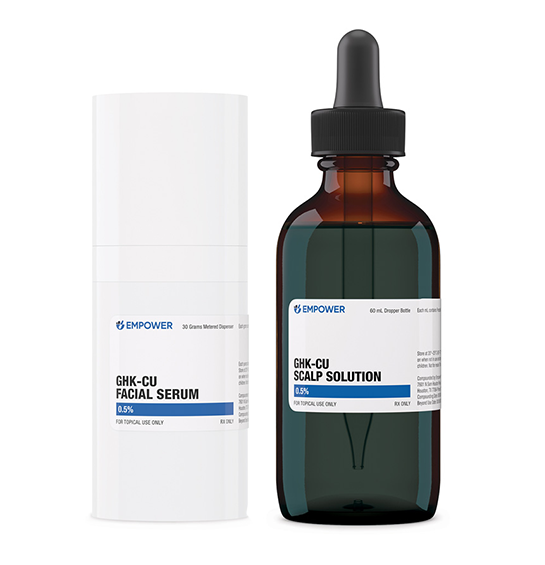
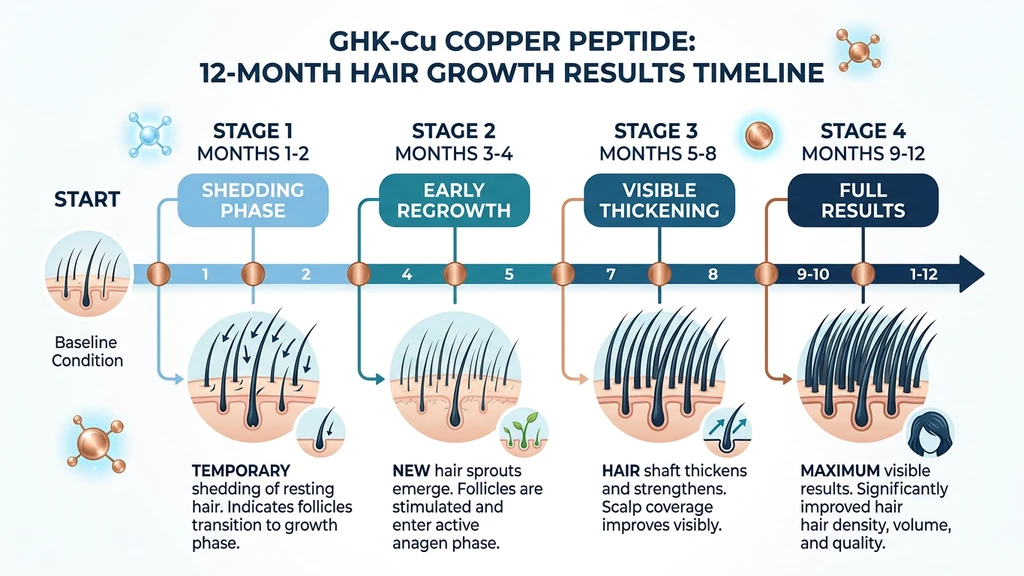
A physician-directed topical protocol typically follows a progression
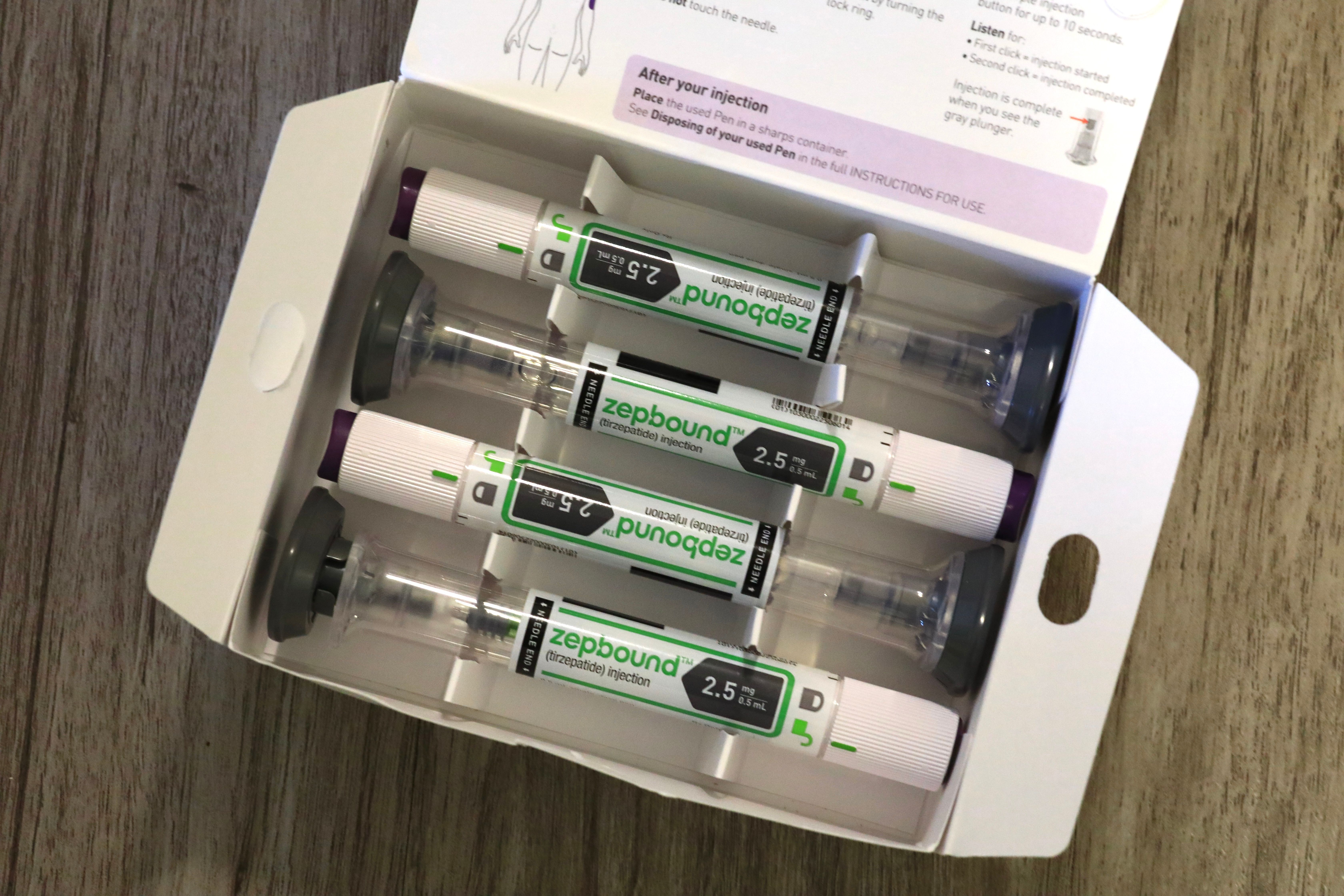

&srotate=0)
.webp)

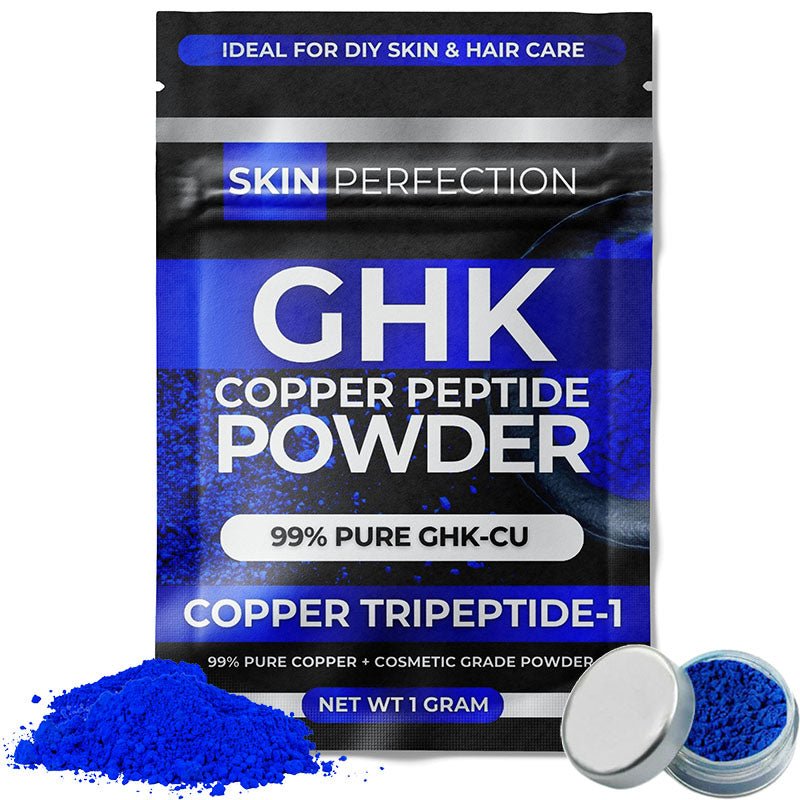













/media/img/mt/2026/07/PeptideGoldRush/original.png)
