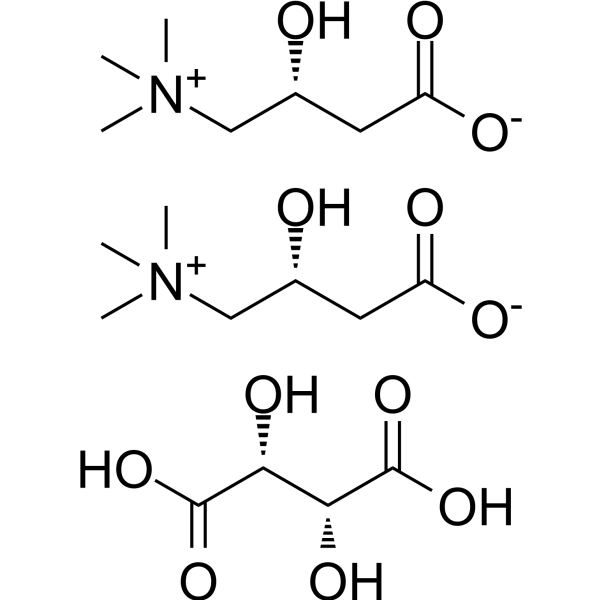
ALCAR crosses the blood-brain barrier more readily than LCAR, achieving better central nervous system penetration.[1][2] In elderly patients specifically, LCAR absorption appears impaired due to decreased active transport, making ALCAR the more effective option in this population.[1] However, recent pharmacokinetic data shows that ALCAR has significantly lower overall bioavailability than LCAR (7.7-fold lower area under the curve), with most absorbed ALCAR being converted to LCAR before reaching systemic circulation.[3][4] For neurological disorders , ALCAR demonstrates distinct advantages
For example, if you are seeking relief from an acute condition, such as dehydration due to a hangover, a viral gastrointestinal infection, or jet lag, a single session may be sufficient to alleviate your symptoms and restore your hydration levels
Chronic dry mouth can lead to increased tooth decay, which can cause tooth pain and require dental work
They can also show up after diet changes
Regardless of L-carnitine supplementation, the percentage of monocytes (CD14 + ) ( Figure 6F ) relative to total PBMC, dropped by 85% after the immune challenge to a minimum at 1 h pi and recovered continuously until the end of the study, reaching a significant peak at 72 h pi
BPC-157 supports that supply layer so oxygen and nutrients can reach the tissue while GHK-Cu and TB-4 do their repair work