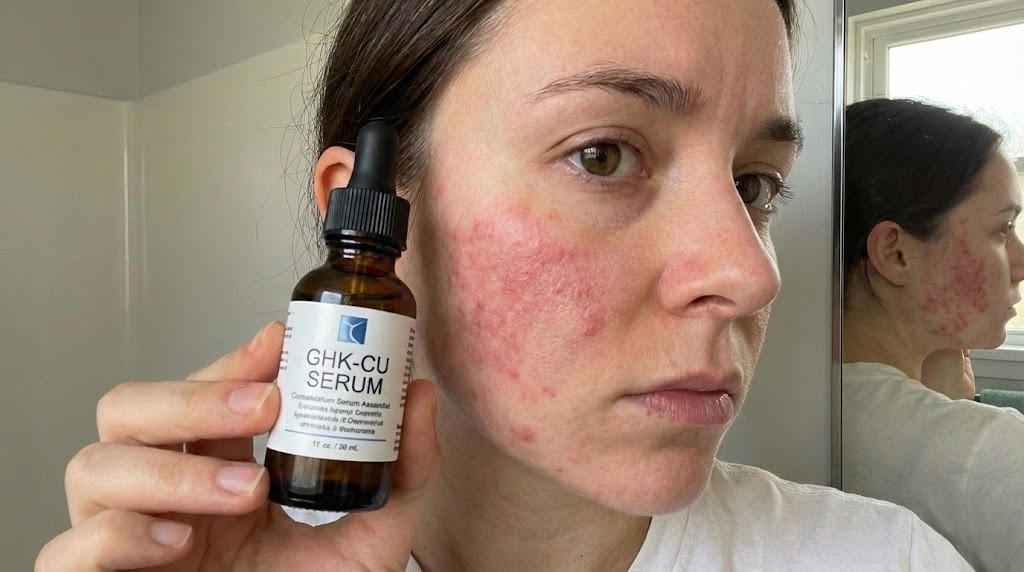
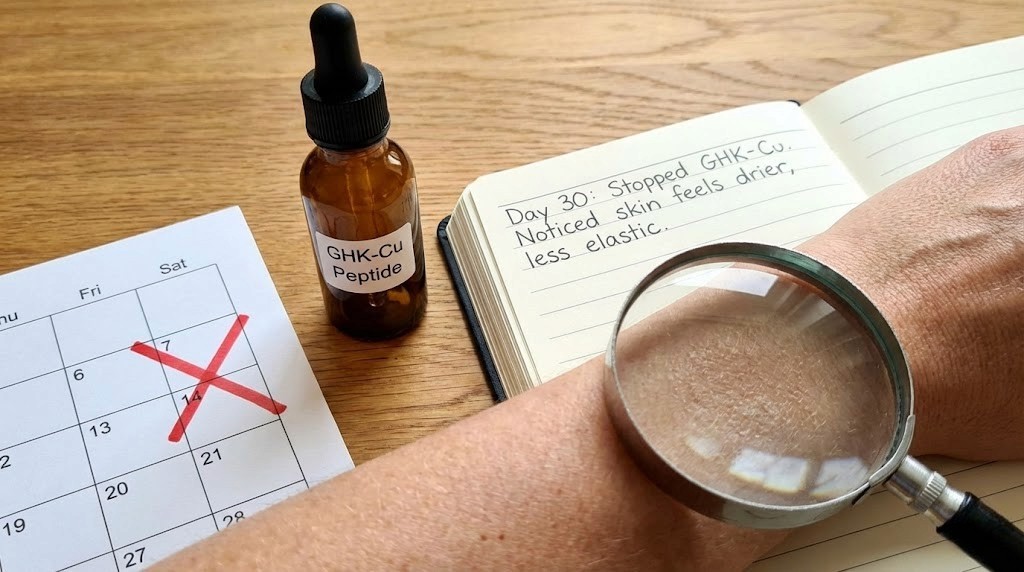
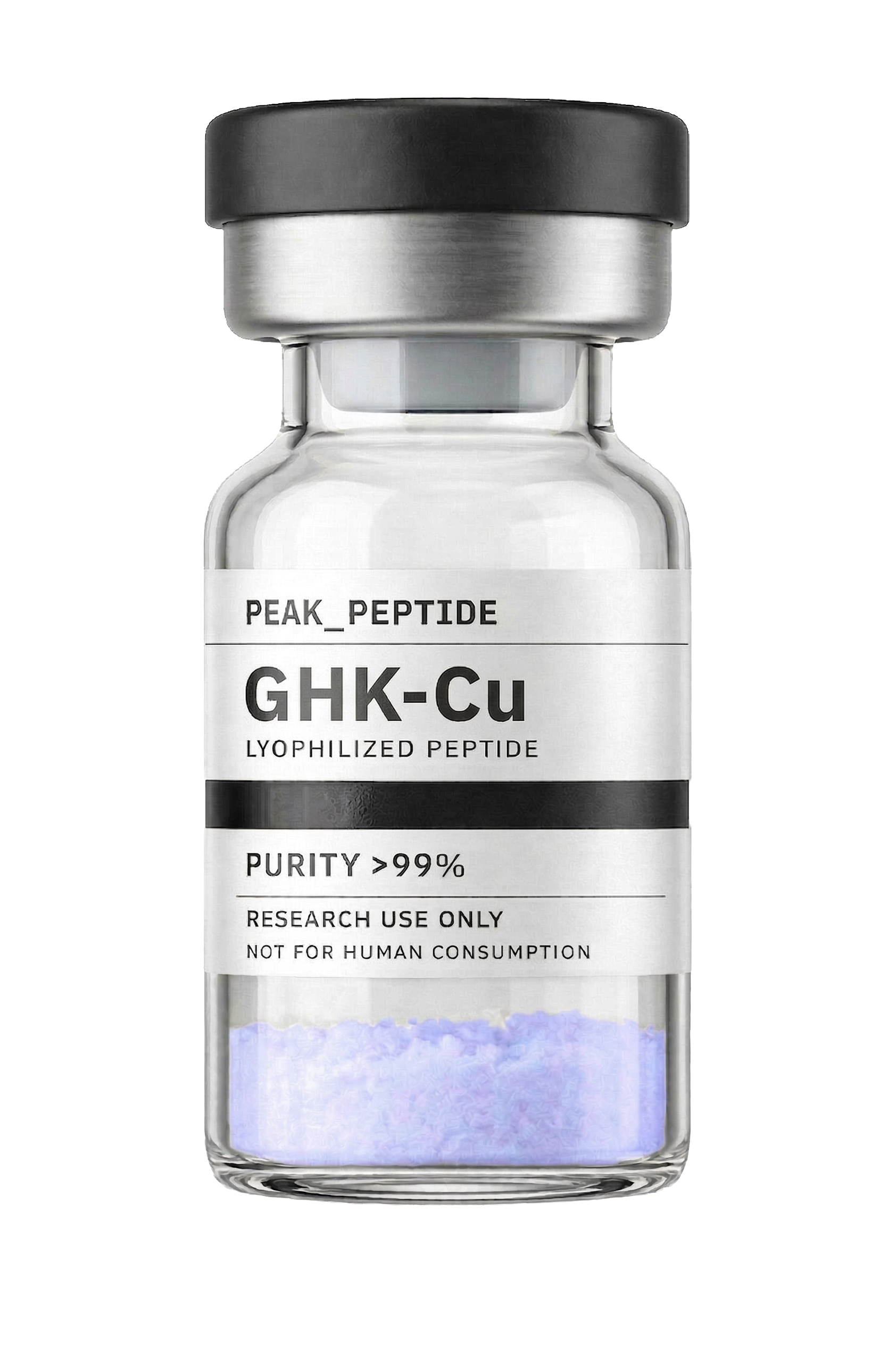
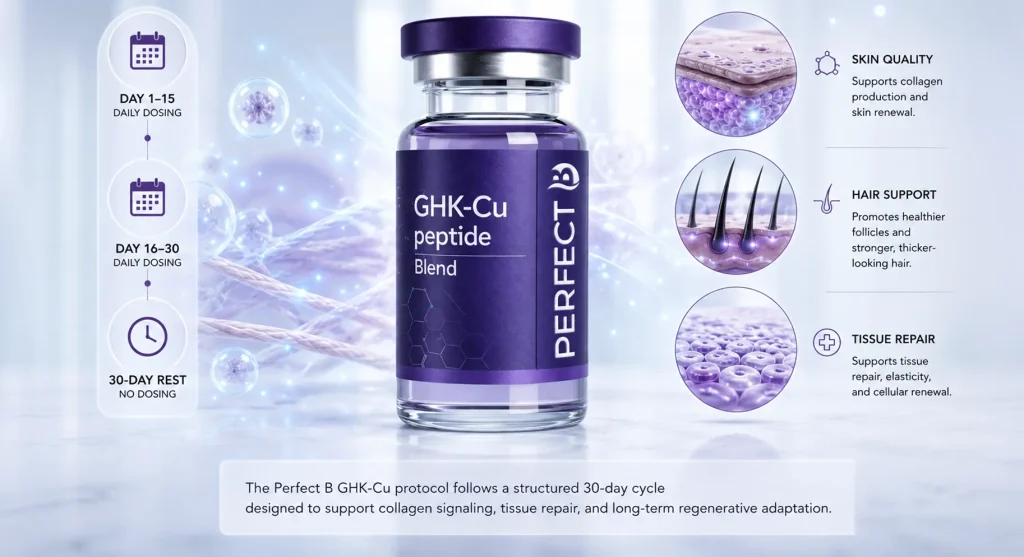
Key findings across components include: BPC-157: Enhanced load-to-failure measurements and improved collagen organization TB-500: Enhanced cellular migration and actin polymerization in tendon fibroblasts GHK-Cu: Increased collagen synthesis and improved tissue remodeling KPV: Potential to reduce inflammatory responses that delay tendon healing Combined mechanisms suggest comprehensive support for all phases of tendon repair Studies demonstrated dose-dependent effects with optimal responses observed at 10 mcg/kg for BPC-157 in rodent models, with TB-500 enhancing cellular recruitment and GHK-Cu supporting matrix quality[11]
TB-500 (a synthetic fragment of Thymosin Beta-4): Has shown similar tissue-regenerating signals in lab research
Imagine how the sale of these wonder drugs would soar if any are shown to be effective in treating additional morbidities.
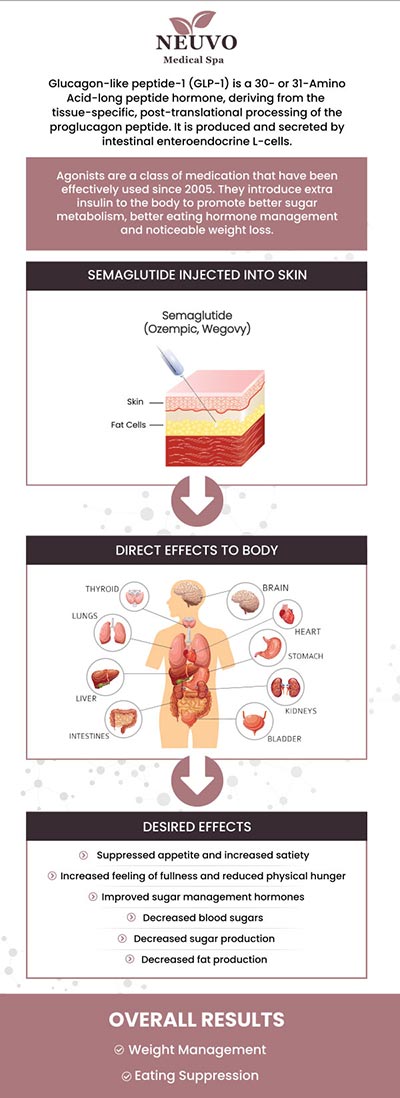
With more than 100 active GLP-1 clinical programmes worldwide, the bar for differentiation is rising rapidly
Related Articles: - Best Peptides for Tendon Repair - BPC-157 Side Effects - TB-500 Dosage Chart - GHK-Cu Injection Dosage - KPV Peptide Dosage - Peptide Stacking Guide Helpful Tools Related Articles Peptides for Inflammation: 7 Best Ranked Top 7 anti-inflammatory peptides ranked: BPC-157, KPV, LL-37, thymosin alpha-1, GHK-Cu, TB-500, Selank
To move forward, its important to focus on a well-rounded strategy that combines medication, nutrition, and lifestyle changes