You should tell your doctor before starting any of these medications if you: Have problems with your kidneys Have had gastrointestinal disease (particularly pancreatitis) Are pregnant, planning a pregnancy or breastfeeding Have had allergic reactions to any medications GLP-1 analogues and Driving GLP-1 analogues should not affect your ability to drive, cycle or use machinery or tools as long as your blood glucose levels are stable

Some possible healthcare-related risks of obesity include: Type 2 diabetes Heart disease and heart attacks Arthritis Gallbladder and fatty liver disease High cholesterol and high blood pressure Circulation problems and increase risks for stroke Infertility Osteoarthritis, in particular, the knees Sleep apnea and other breathing problems Certain kinds of cancer endometrial, breast, and colon Strain on bones, joints, and muscles due to increased weight Mobility issues Metabolic syndrome Emotional issues kidney disease and many others Semaglutide May Also Decrease Cardiometabolic Risks in Obese Patients Some medical experts predict that if obesity cases continue to rise, research has shown over the past three decades in the U.S., up to 50% of the population may be diagnosed with obesity by the year 2030
Summary Alpha-lipoic acid is generally safe with little to no side effects
What conditions can peptide therapy help with
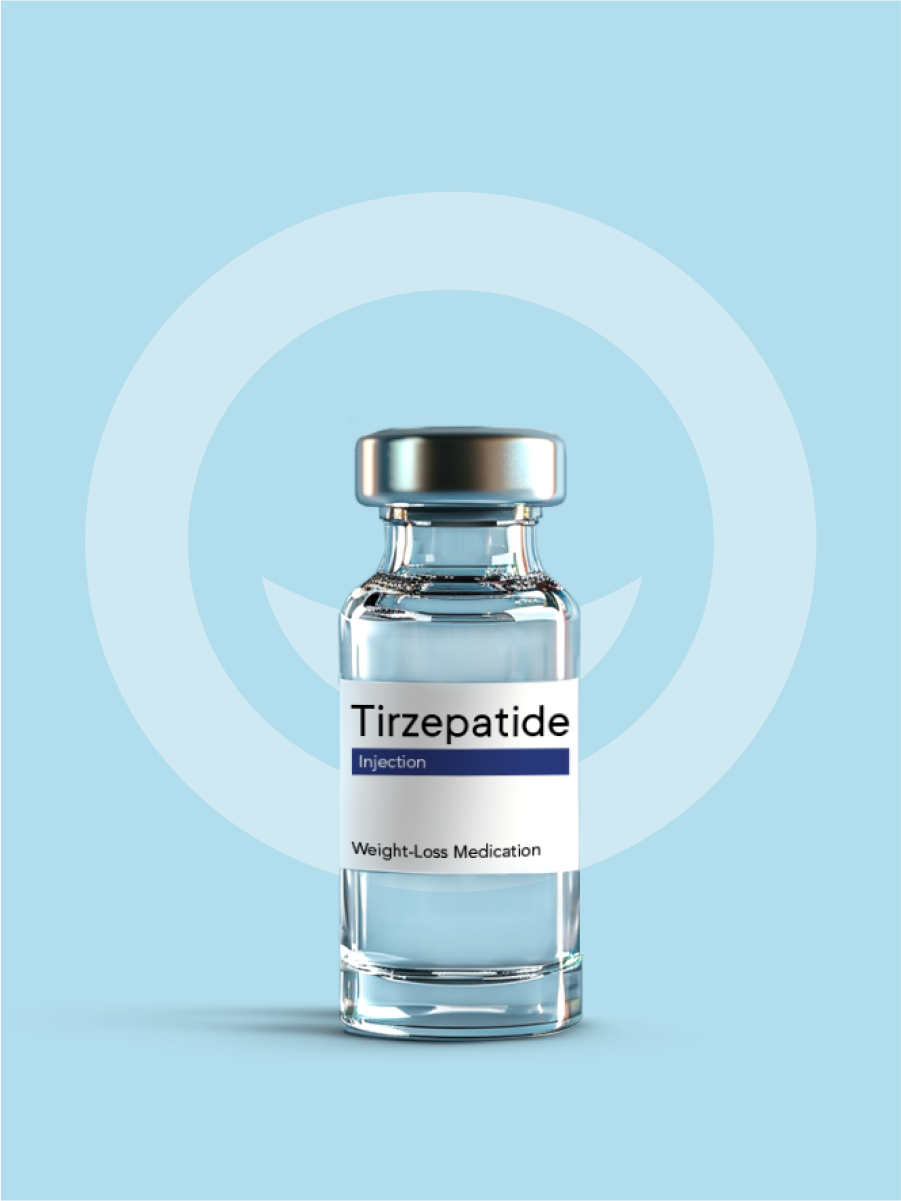
Two formats available: Direct Meds currently offers compounded GLP-1 medications in both injectable and sublingual (oral drop) formats, giving patients and their physicians flexibility based on individual preference and clinical suitability
Benefits of Peptide Therapy Peptide therapy can offer patients a myriad of benefits when administered

















:max_bytes(150000):strip_icc()/GettyImages-1299286851-18ab6e02931940ad963dda93851b6dc7.jpg)