Metabolic rebound after GLP-1 reception agonist discontinuation This new meta-analysis compiled data from 18 studies (3771 participants) to establish the effects of discontinuing use of GLP-1 receptor agonists on metabolic outcomes Here are the main findings In adults with obesity, discontinuing GLP-1 receptor agonists use led to significant Weight regain (+5.63 kg) Increase in HbA1c (+0.25%) Plus increased waist circumference, BMI, systolic blood pressure and fasting plasma glucose In adults with diabetes, discontinuing GLP-1 receptor agonists use led to significant Weight regain (+2.03 kg) Increase in HbA1c (+0.65%) Weight regain was also greater with a longer follow-up period, indicating that weight regain continues to rise the longer the period of discontinuation This meta-analysis highlights key aspects of GLP-1 receptor agonist use: 1 GLP-1 receptor agonists use may only be a long term strategy to support weight loss (if you start, you stay using it) 2 You must combine GLP-1 receptor agonists use with behavioural interventions to support weight loss outcomes (diet and exercise) 3 You cannot rely of GLP-1 receptor agonists alone over the short term, and expect to maintain any metabolic and/or weight loss outcomes Reference: Subscribe to Performance Nutrition Digest FREE to receive your daily study breakdown, straight to your inbox or via the Substack app Performance Nutrition Digest is powered by Healthspan Elite GLP-1 Receptor Agonist Discontinuation Effects on Metabolism Metabolic rebound after GLP-1 reception agonist discontinuation This new meta-analysis compiled data from 18 studies (3771 participants) to establish the effects of discontinuing use of GLP-1 receptor agonists on metabolic outcomes Here are the main findings In adults with obesity, discontinuing GLP-1 receptor agonists use led to significant Weight regain (+5.63 kg) Increase in HbA1c (+0.25%) Plus increased waist circumference, BMI, systolic blood pressure and fasting plasma glucose In adults with diabetes, discontinuing GLP-1 receptor agonists use led to significant Weight regain (+2.03 kg) Increase in HbA1c (+0.65%) Weight regain was also greater with a longer follow-up period, indicating that weight regain continues to rise the longer the period of discontinuation This meta-analysis highlights key aspects of GLP-1 receptor agonist use: 1 GLP-1 receptor agonists use may only be a long term strategy to support weight loss (if you start, you stay using it) 2 You must combine GLP-1 receptor agonists use with behavioural interventions to support weight loss outcomes (diet and exercise) 3 You cannot rely of GLP-1 receptor agonists alone over the short term, and expect to maintain any metabolic and/or weight loss outcomes Reference: Subscribe to Performance Nutrition Digest FREE to receive your daily study breakdown, straight to your inbox or via the Substack app Performance Nutrition Digest is powered by Healthspan Elite To view or add a comment, sign in More Relevant Posts Vitamin B12 Deficiency Definition: Vitamin B12 deficiency is a condition caused by insufficient vitamin B12, leading to impaired DNA synthesis, megaloblastic anemia, and neurological dysfunction

Commercial insurance and Medicare in New York Roughly one in five large-employer plans covered GLP-1s for weight loss in 2025, with the trend upward heading into 2026
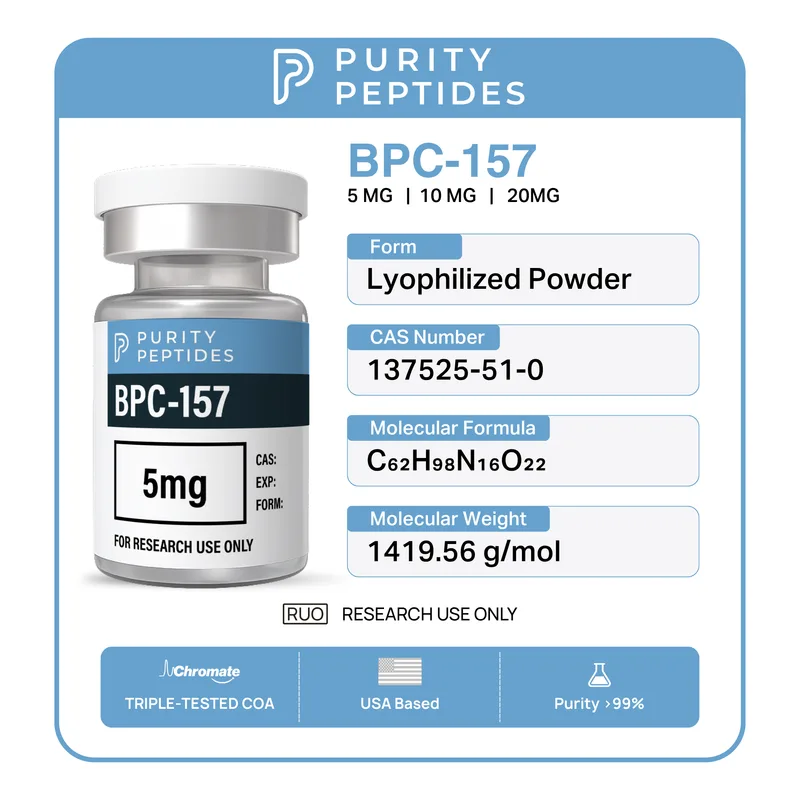
BPC-157 / TB-500 Blend is best for people researching stack comparison, repair pathway overlap, recovery research within the broader recovery & healing category
PRF Hair Restoration - Partial PRF, Platelet-Rich Fibrin, will be drawn from designated area then injected into problem areas on partial areas of scalp (hairline, hair loss regions, etc.) to increase hair growth
Published 2024 Nov 18
It is gaining popularity for its effectiveness in: Managing blood sugar levels in type 2 diabetes