Research peptides lack regulatory oversight, sterility testing, and potency guarantees, posing a massive risk to patients
Requiring prior authorization for the medications would help the city save between $8 million and $9 million, without getting rid of coverage of GLP-1 drugs entirely, according to Groffenberger
Much of our understanding comes from laboratory research, animal studies, and growing clinical experience
L-carnitine is the predominant carnitine used in biological and medical fields and is commonly referred to as carnitine. The human body contains about 300 mg/kg of L-carnitine, 98% of which is intracellular, with 80% present in the muscles, 510% in the gastrointestinal tract, and 3% in the liver ( Endogenous Synthesis and Exogenous Sources In the average adult diet, it is estimated that about 75% of the daily carnitine requirement mainly comes from meat, fish, and dairy products (Figure 1) (Figure 1) ( Figure 1 The distribution and homeostasis of carnitine within the body is controlled by organic cationic transporters (OCTN) ( in vivo ( Biological Functions Transport of Long-Chain Fatty Acids Into the Mitochondrial Matrix The essential function of carnitine is to transport LCFAs from the cytoplasm to the mitochondrial matrix for subsequent degradation by -oxidation, known as carnitine shuttle ( The carnitine shuttle has three main steps

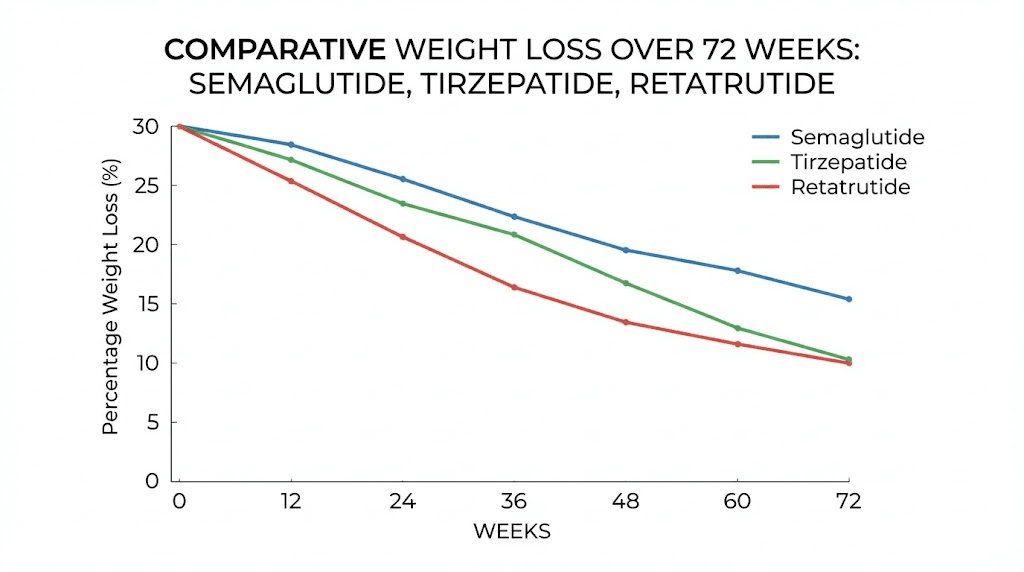
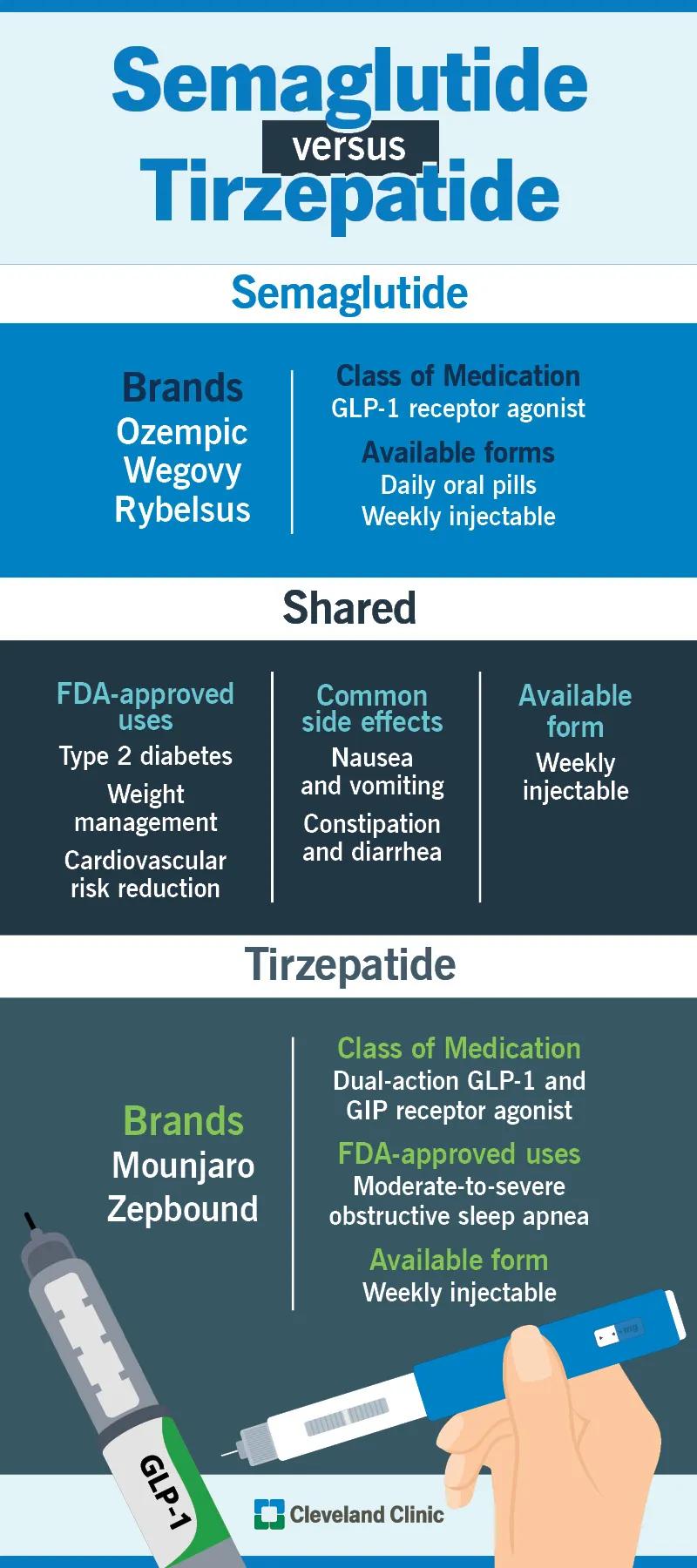
Tirzepatide activates both GLP-1 and GIP receptors (dual agonist mechanism), while semaglutide targets only GLP-1
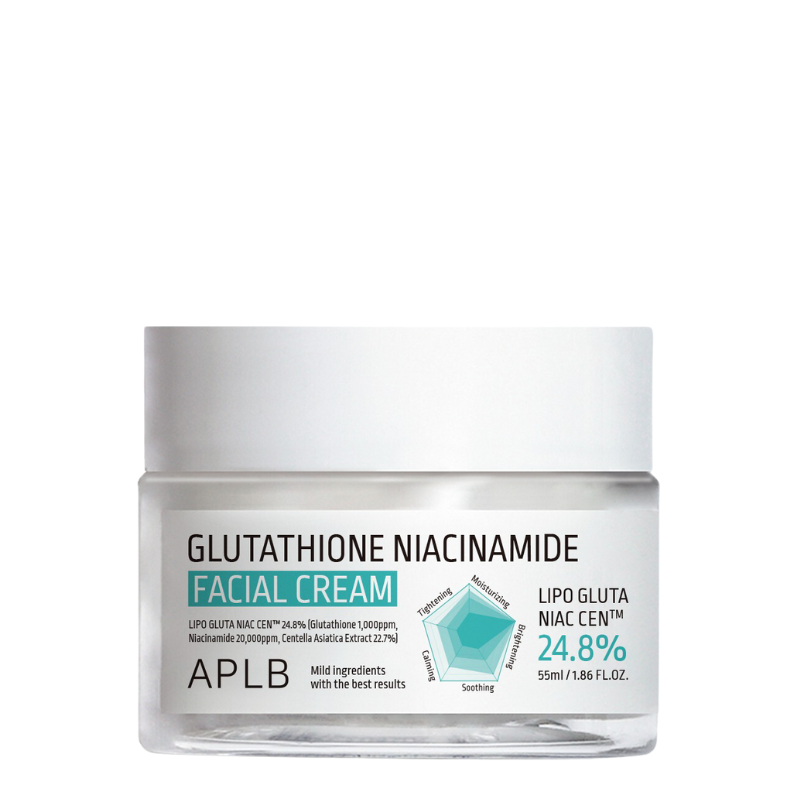
The rate limiting amino acid in de novo synthesis of GSH in metabolic disease appears to be glycine