Clinics like ShedRx and Eden also straddle both sides, if you want a middle option
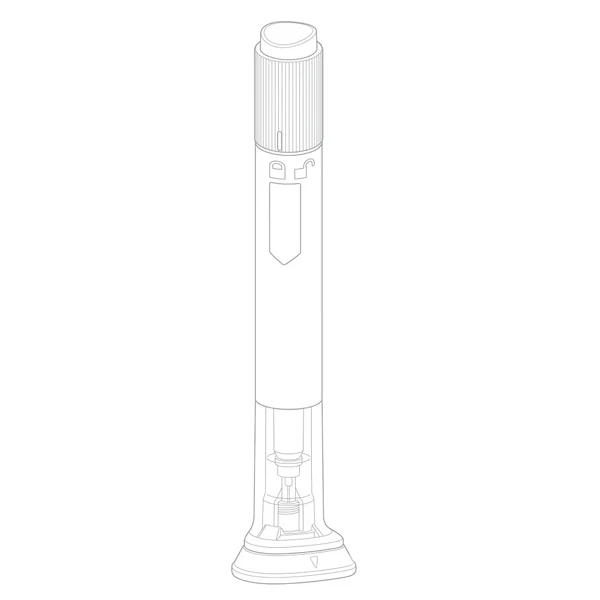
Higher dose exploration (4.5mg trials) Rationale for testing 4.5mg: Investigate maximum tolerable dose Determine if higher = better weight loss Establish safety ceiling Results at 4.5mg weekly: Weight loss: ~12% (vs 10% at 2.4mg) Incremental benefit: Only 2% additional loss Side effects: Significantly worse nausea/vomiting Dropout rate: Higher than 2.4mg Clinical verdict: 4.5mg not recommended for routine use Risk-benefit ratio unfavorable 2.4mg remains optimal Some individuals may tolerate 3.0mg as compromise CagriSema combination dosing trials REDEFINE-1 protocol: Semaglutide: 2.4mg weekly (standard titration over 16 weeks) Cagrilintide: 2.4mg weekly (12-week titration) Both given as separate injections Started simultaneously from week 1 Semaglutide escalation (standard): Weeks 1-4: 0.25mg Weeks 5-8: 0.5mg Weeks 9-12: 1.0mg Weeks 13-16: 1.7mg Week 17+: 2.4mg Cagrilintide escalation (when combined): Weeks 1-4: 0.6mg Weeks 5-8: 1.2mg Weeks 9-12: 1.8mg Week 13+: 2.4mg Results: 15.6% average weight loss (68 weeks) Superior to either alone Side effects manageable with slow titration Combination well-tolerated See our cagrilintide and semaglutide combination guide and semaglutide dosage calculator
Thermodynamically, two processes can occur once the -GCL is formed: it may form GSH when it combines with glycine, acting as GSH synthetase (GS, EC 6.3.2.3), or it may interact with the -glutamyl cycle transferase to form 5-oxo-L-proline and L-cysteine
Other side effects can come up too, like gallbladder problems such as gallstones or gallbladder disease
Kohnen, T., Baumeister, M., Kook, D., Klaproth, O
Research shows it enlarges follicle size, extends the anagen growth phase, stimulates dermal papilla cells, and promotes scalp angiogenesis