The shipping is lightning-fast, though
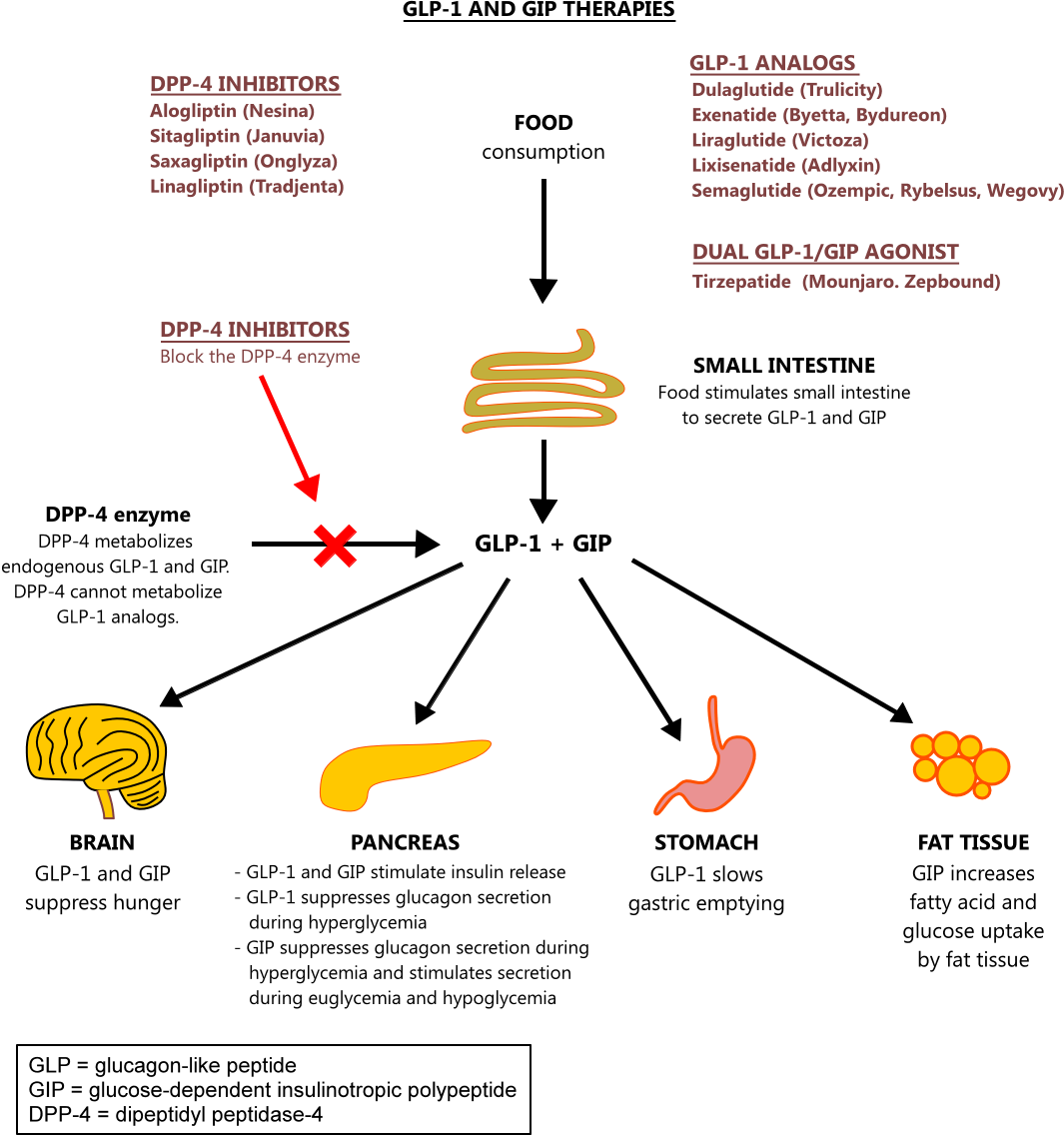
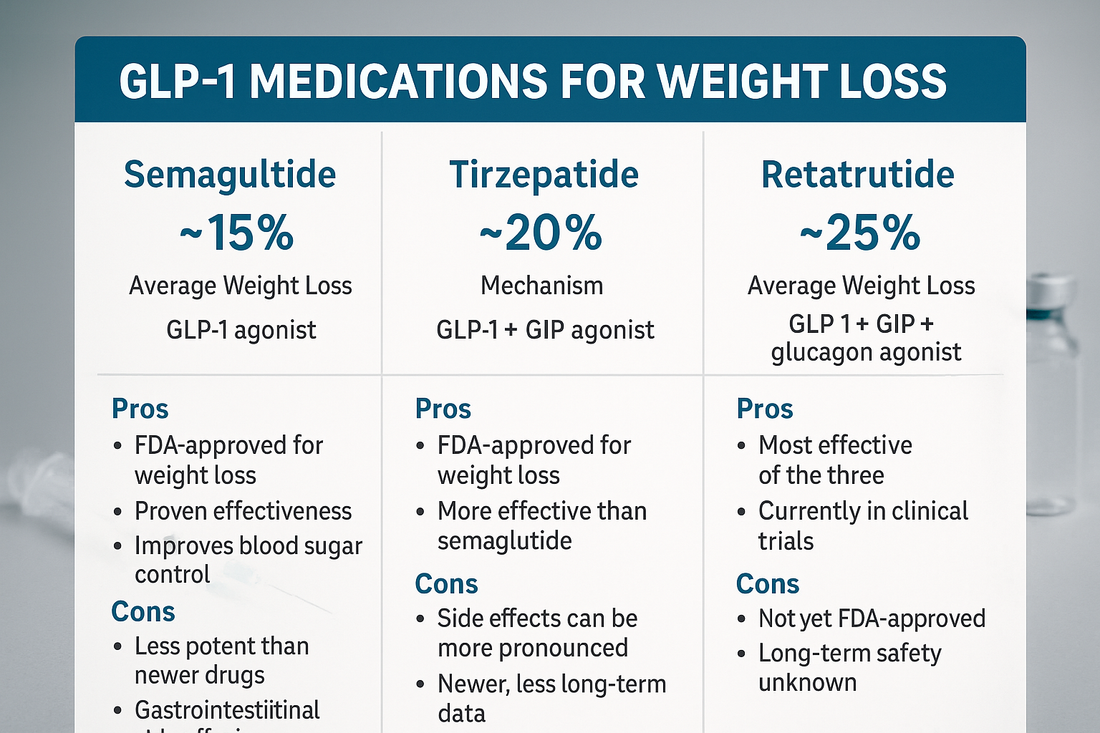
As a triple agonist , it simultaneously activates three distinct receptor systems [5]: GIP (Glucose-dependent Insulinotropic Polypeptide) receptors enhance insulin secretion and may have direct effects on adipose tissue GLP-1 (Glucagon-like Peptide-1) receptors promote satiety, slow gastric emptying, and improve glucose regulation Glucagon receptors increase energy expenditure and may enhance fat oxidation This multi-receptor targeting strategy distinguishes retatrutide from single-pathway peptides and creates a complex metabolic profile that researchers are still working to fully characterize
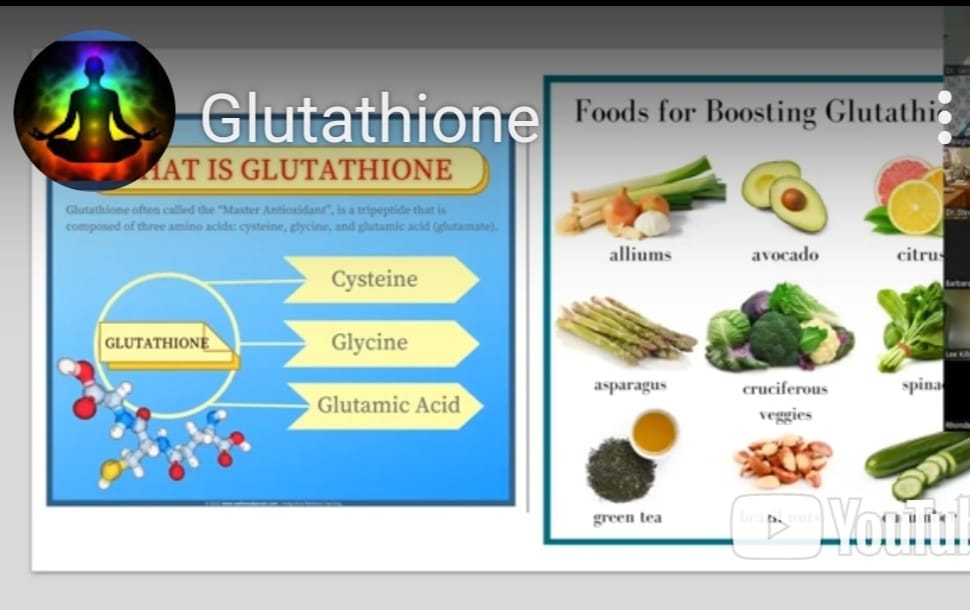
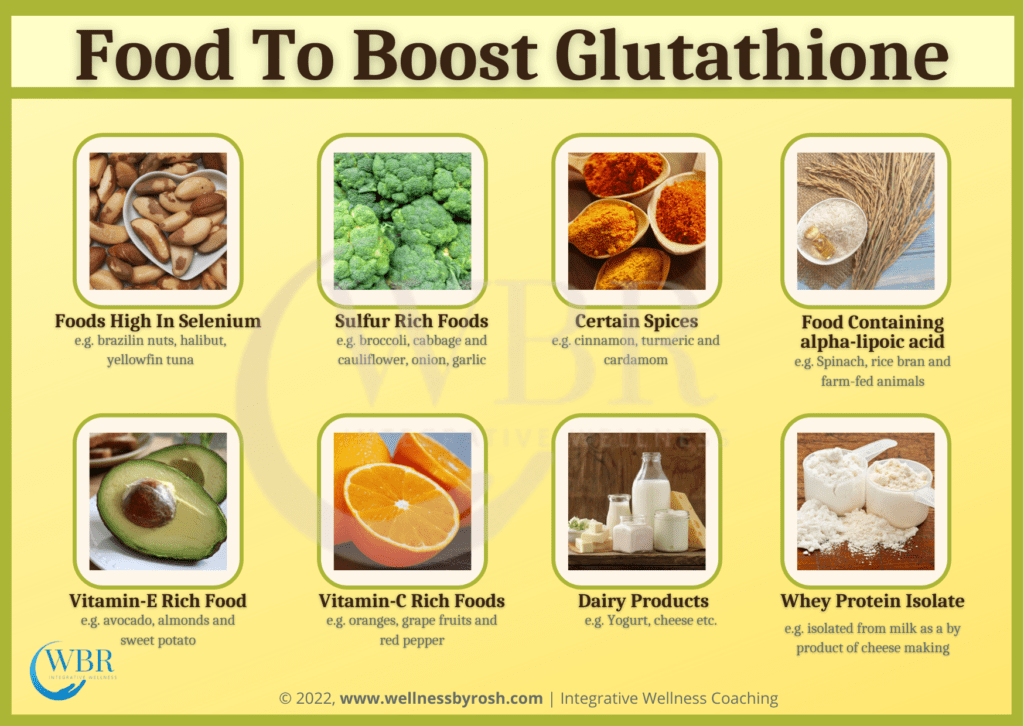
The importance of glutathione for the management of reactive oxygen species and the link between low glutathione and a variety of conditions have led to the product being studied for an extremely wide range of indications including Parkinsons disease, cystic fibrosis, autism spectrum disorder (ASD), and hyperpigmentation among others

Published protocols provide starting points for: Topical application frequencies (often once or twice daily) Subcutaneous injection volumes and concentrations near wound sites Systemic dosing regimens in organ injury models Treatment durations (typically 7-28 days for wound studies) Key Outcome Measures Established outcome measures in rodent GHK-Cu research include: Experimental Design Recommendations Future studies should incorporate: Careful monitoring of copper status throughout treatment periods Appropriate control groups including vehicle control, copper-free peptide control, and free copper controls where relevant Detailed methodology reporting for reproducibility Assessment of potential off-target effects through standard toxicology panels Consideration of sex differences, given that some regenerative processes show sex-dependent responses Researchers interested in overall skin health, skin rejuvenation, or anti aging mechanisms may also consider combining GHK-Cu with other peptides or active ingredients (such as vitamin c or chemical peels in post procedure recovery models) to examine synergistic effects
The FDA typically takes 10 to 12 months to review new drug applications, suggesting a potential approval decision by late this year
-The Elev8 Team