Contact your GP or call NHS 111 if you experience: Persistent or worsening nausea, vomiting, or abdominal pain Rapid or irregular heartbeat (palpitations) Injection site reactions, including redness, warmth, swelling, or discharge Symptoms of hypoglycaemia (low blood sugar), particularly if taking other glucose-lowering medicines concurrently Any change in vision, particularly if you have diabetes seek a GP referral for optometry or ophthalmology review promptly Unexplained changes in mood Call 999 or attend your nearest A&E immediately if you experience: Signs of a severe allergic reaction (anaphylaxis), including swelling of the face, lips, or throat, difficulty breathing, or collapse Severe abdominal pain with systemic symptoms such as fever or rapid deterioration, which may indicate pancreatitis or another serious complication Severe chest pain If you are a clinical trial participant , contact your research site or trial team immediately for any adverse event or safety concern do not wait for a routine appointment

Progesterone, Sleep, and GLP-1 Tolerance Progesterone decline can influence sleep quality, and sleep quality can influence how well GLP-1 medications are tolerated
10.1111/jgh.15662 Summary Keywords glucagon-like peptide 1 receptor agonist, endoscopy, retained gastric contents, GLP-1RA, upper endoscopy, esophagogastroduodenoscopy (EGD) Citation Ukwade D, Hernandez LJ, Modi Z, Raza HS, Siegel M, Nwachukwu D, Sarraf P, Memon A, Booth M, Cooper K, Boulay BR and Mutlu EA (2025) GLP-1 receptor agonist increase retained gastric contents on EGD and same-day colonoscopy reduces this risk
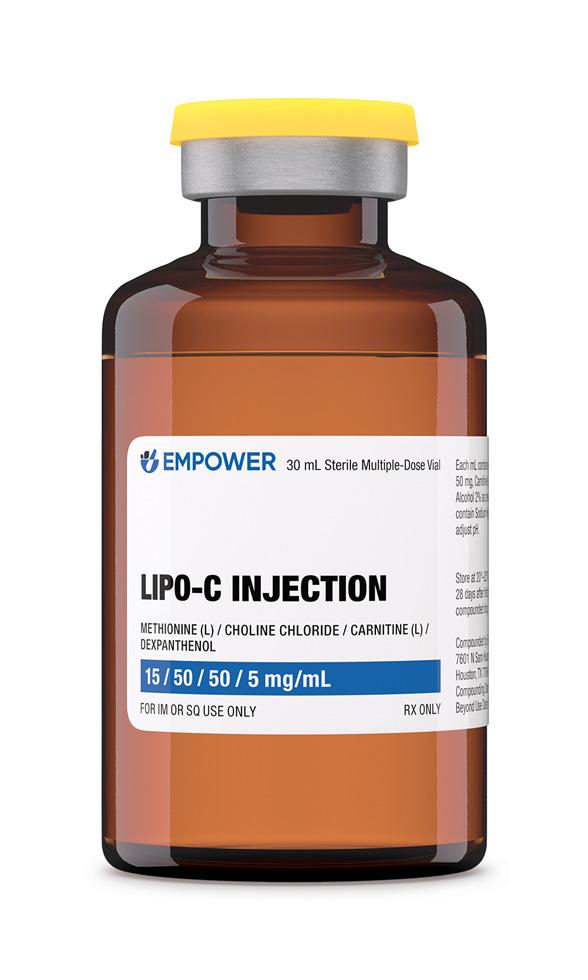
It helps the body to turn fat into energy by using long-chain fatty acids
Genetic predispositions, poor diets, and sedentary lifestyles complicate weight loss
The Best Vitamins to Take While on GLP-1 Therapy Vitamin D3 and K2 Vitamin D deficiency was the most frequently identified nutritional problem in the Clinical Obesity review