Cross-sectional studies have shown that plasma and tissue glutathione concentrations decrease by approximately 10-15% per decade after age 45, and this decline is accelerated in conditions associated with chronic oxidative stress, including type 2 diabetes, cardiovascular disease, neurodegenerative diseases, HIV/AIDS, chronic liver disease, and chronic obstructive pulmonary disease (COPD) [2][3][10][11]
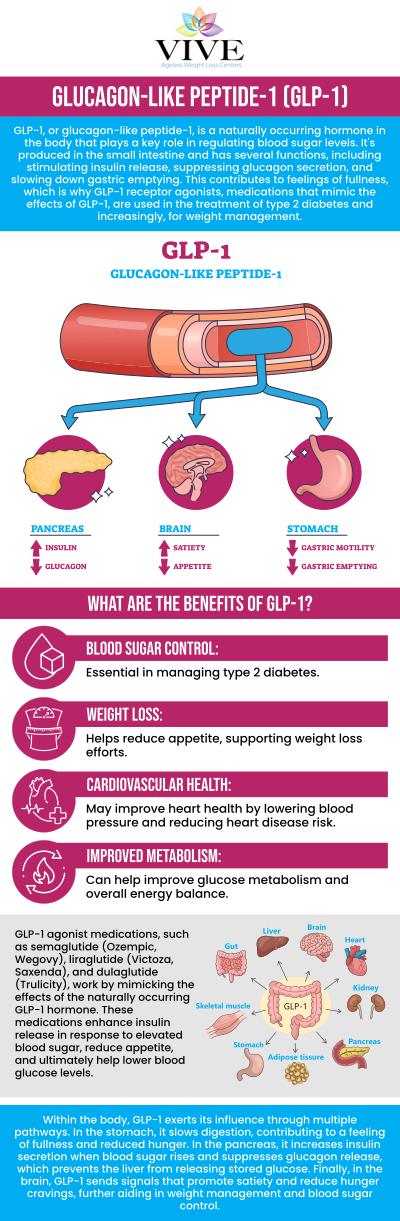
And critically for obesity research, it acts centrally: amylin binds to receptors in the area postrema and the brainstem, where it generates satiety signals that communicate to the brain that the body has had enough to eat
Natural products and food components with anti-Helicobacter pylori activities
doi:10.1038/nchembio.212, PMID: 19718041 Sido B, Braunstein J, Breitkreutz R, Herfarth C, Meuer SC (2000) Thiol-mediated redox regulation of intestinal lamina propria T lymphocytes
This is when your body will be primed to use fat as fuel, and thats where L-Carnitine for fat loss and muscle gain can really shine
Redox imbalance links COVID-19 and myalgic encephalomyelitis/chronic fatigue syndrome (PNAS) Oxidative stress is a shared characteristic of ME/CFS and Long COVID (PubMed) Augmented Glutathione Absorption from Oral Mucosa (Journal of Clinical Medicine) The Role of Glutathione in Prevention of COVID-19 Immunothrombosis: A Review (PMC) Efficacy of N-Acetylcysteine in ME/CFS (ClinicalTrials.gov NCT04542161)











:max_bytes(150000):strip_icc()/VWH-Zepbound-a91ec7a305e8407d83daa7b41039b4aa.jpg)