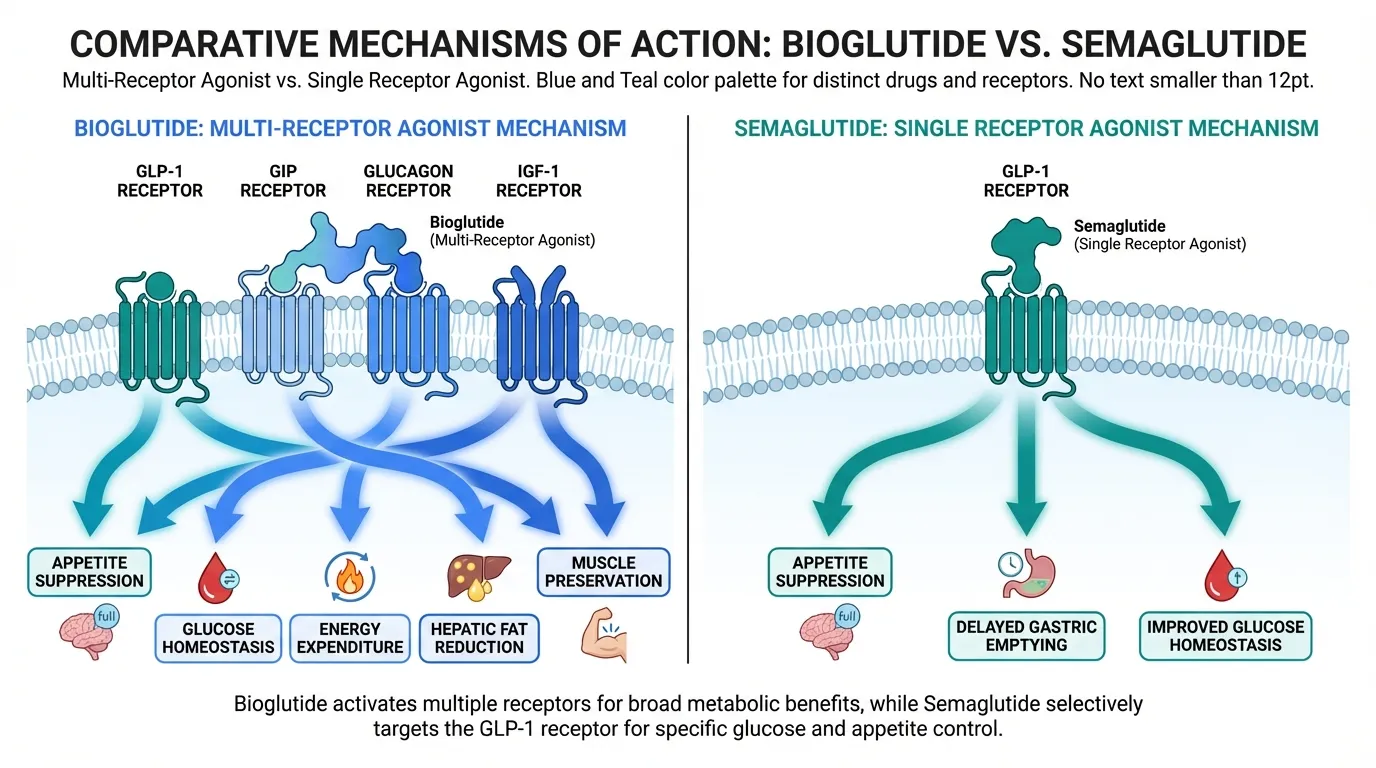
A synthetic 31-amino acid C18 fatty diacid-conjugated GLP-1 analogue and the most extensively characterised long-acting selective glucagon-like peptide-1 receptor agonist research compound available to laboratories in Ireland and a structurally optimised GLP-1(7-37) analogue incorporating Aib8 substitution for DPP-IV resistance, Arg34Lys substitution eliminating a proteolytic site, and a C18 fatty diacid conjugated via a hydrophilic linker to Lys26 enabling tight reversible albumin binding that produces a circulating half-life of about one week and once-weekly pharmacokinetics activating the GLP-1 receptor through canonical Gs-cAMP-PKA-EPAC2 signal transduction in pancreatic beta cells, hypothalamic appetite-regulating nuclei, brainstem nucleus tractus solitarius, cardiac tissue, and peripheral organs to produce glucose-stimulated insulin secretion potentiation, glucagon suppression, gastric emptying inhibition, pronounced central appetite suppression and body weight reduction, beta cell trophic biology, and cardioprotective signalling
Certain medications can turn your pee orange, including high doses of vitamin B2, phenazopyridine a drug for urinary tract infections (UTIs), or the antibiotic isoniazid
Glucagon-Like Peptide-1 (GLP-1) is an incretin hormone naturally produced in the intestines in response to food intake
The incretin effect during pubertal transition affected the longitudinal trajectory of cell function and weight in youths with obesity
Lab work is not required to begin or continue treatment, though patients who want or need it can arrange it separately
Drug-induced liver injury is often idiosyncratic, occurring in a small subset of genetically or metabolically predisposed individuals















:max_bytes(150000):strip_icc()/VWH-GettyImages-2158519129-372ed708fbbb4c6e9f472a8218cd52ee.jpg)
.webp?width=900&height=1201&name=Semaglutide%20Image%202_900x1200%20(without%20phone).webp)